Bizbox, a free app, was losing almost every U.S. user after the first day. The research I led into why pointed the company to Brazil, and to a new product.
The product launched in the United States as Bizbox, a free, multi-language scheduling tool with embedded payments, built for Latino home service workers. It never found product-market fit there. In 2021, most people who downloaded it stopped using it after the first day.
I joined as the founding Product Designer while the company was struggling with retention, and led the research into why. Discovery was mine to run: planning, interviews, synthesis, the principles that came out of it, the MVP scope and the interface itself.
A good part of it was facilitation rather than design. I got the founders to agree on what the first release had to prove, then worked with Product, Engineering and QA to build it mobile-first.
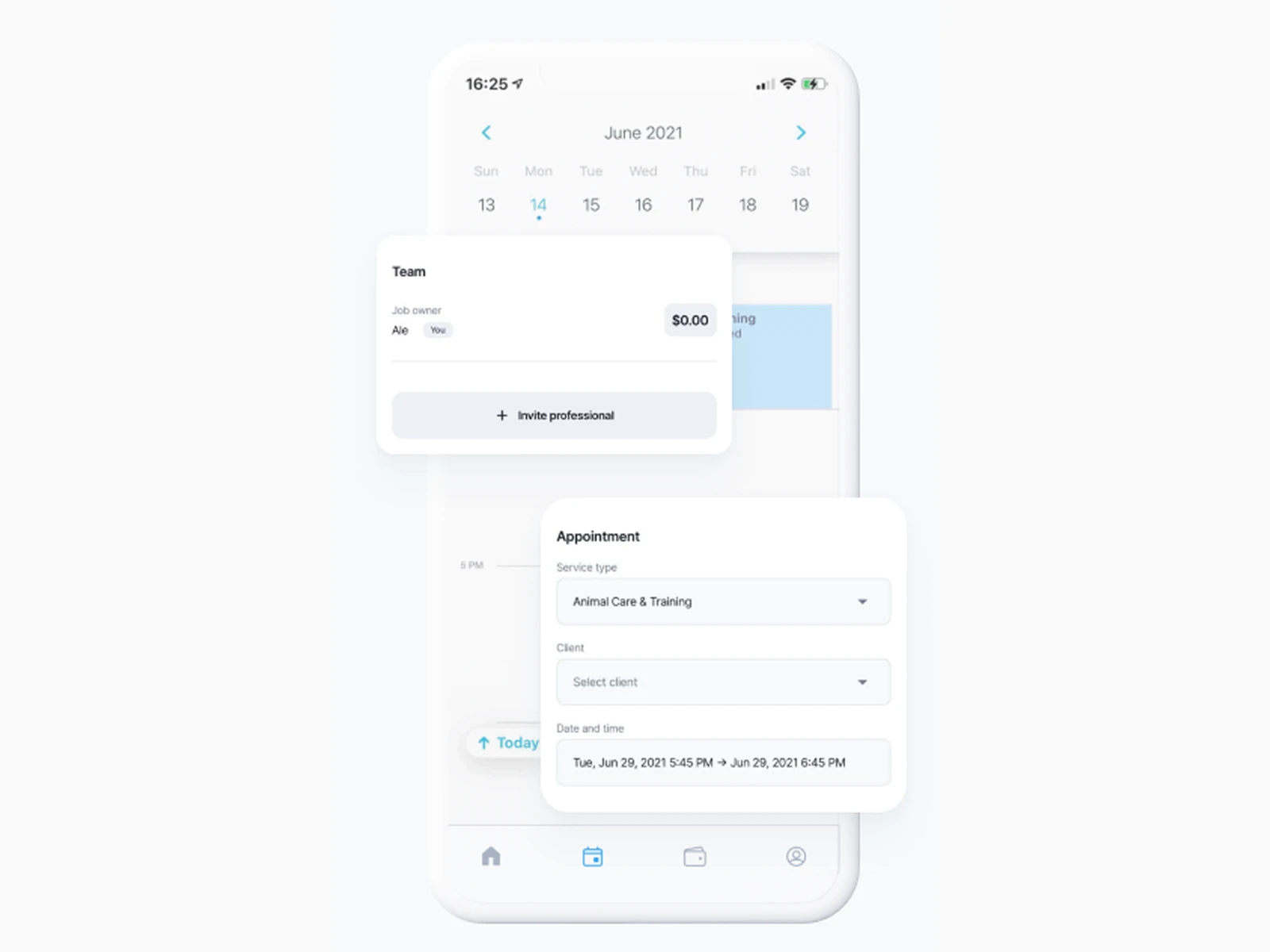
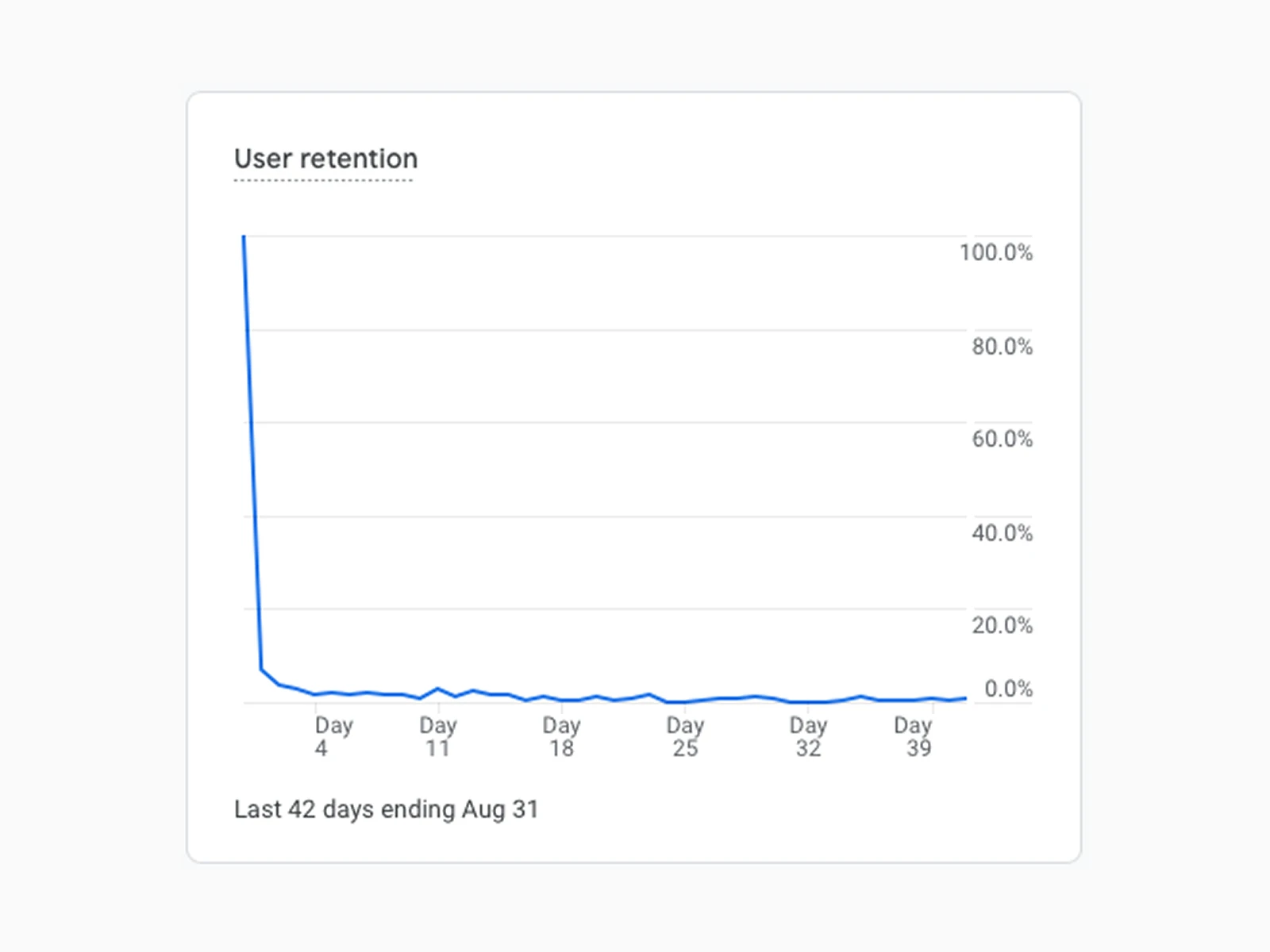
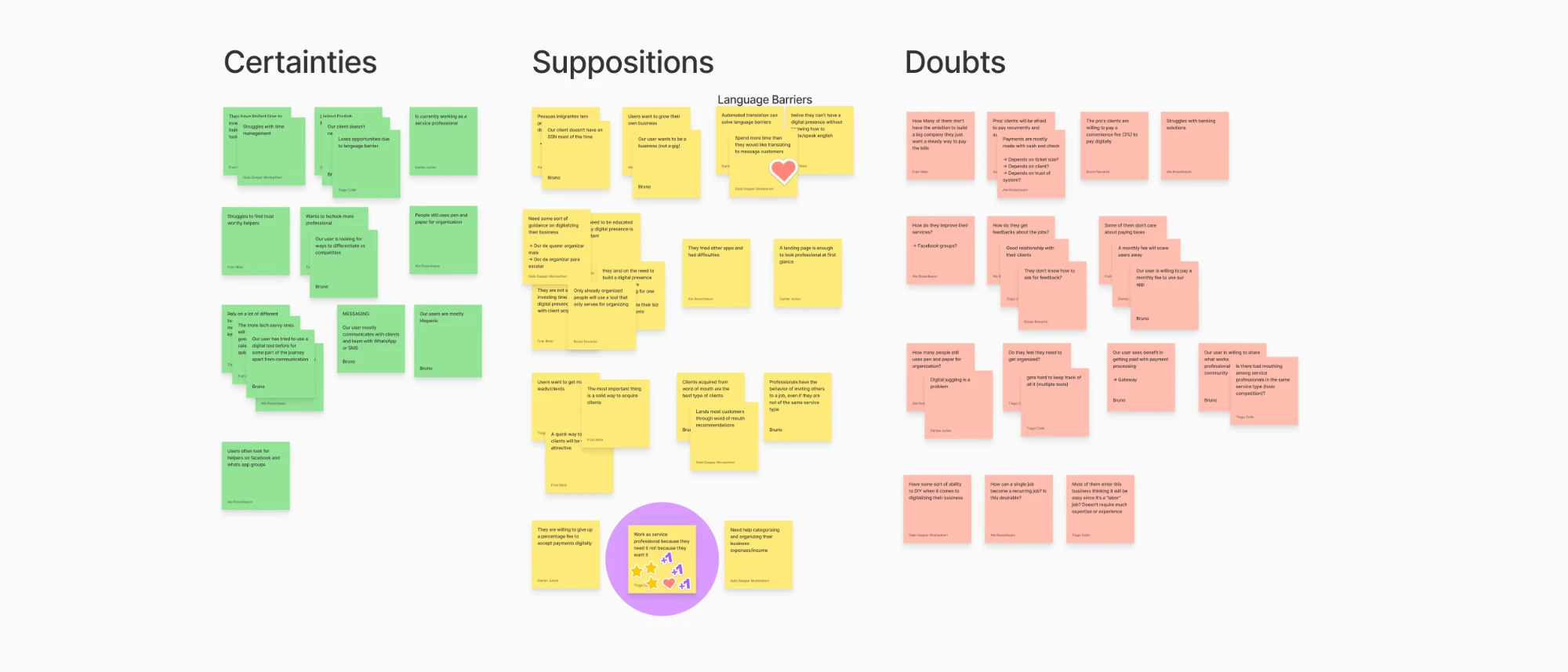
The first question was why people stopped using an app that cost them nothing. We split it in two: were we reaching the wrong segment, or offering the wrong value proposition? The promise at the time was to save time and impress customers. Each quadrant got its own hypotheses and the tests that could rule them out.
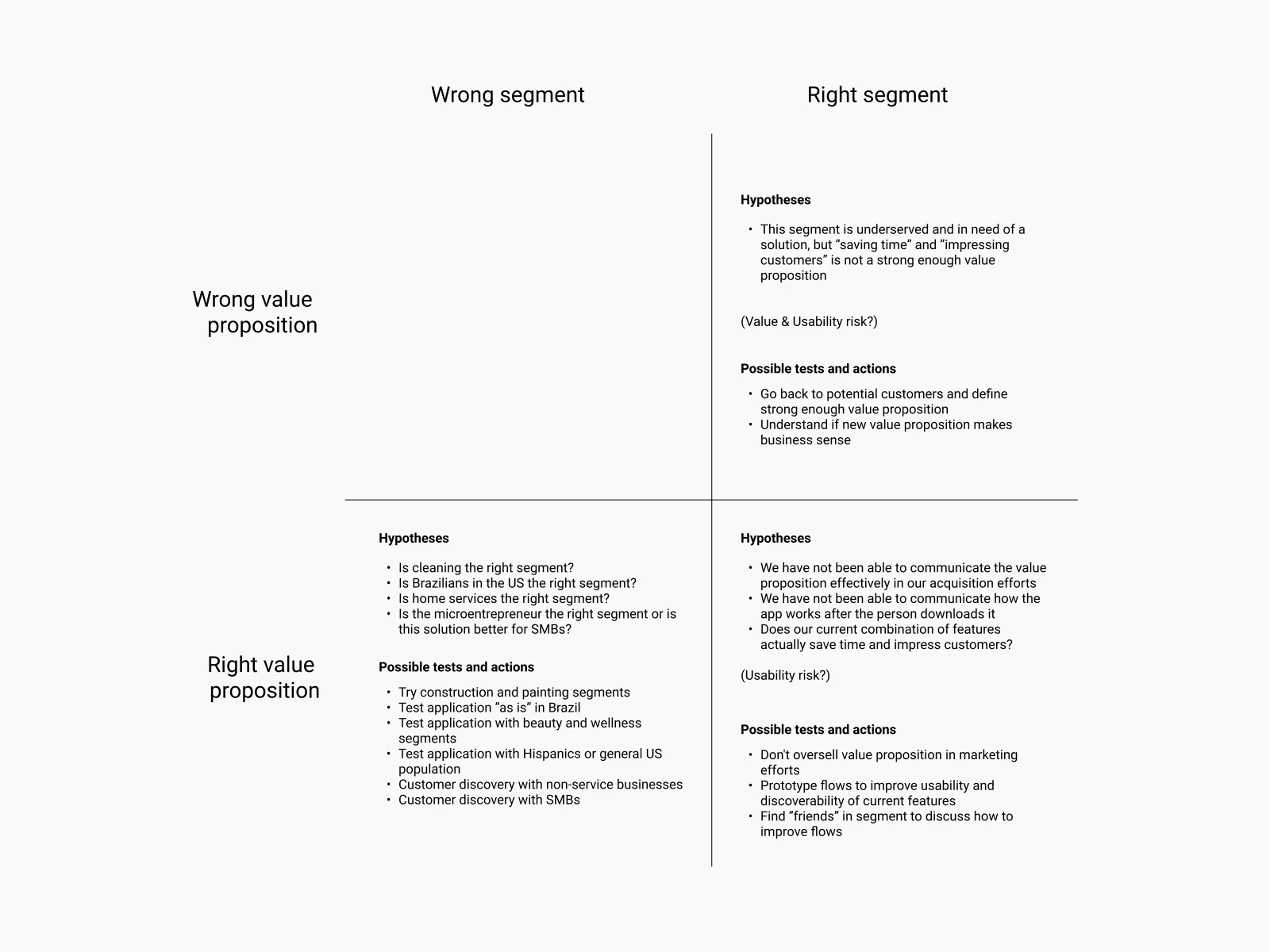
The segment side of the matrix led us to solo entrepreneurs in Brazil. Before making product decisions there, we listed the questions that could change the direction of the company.
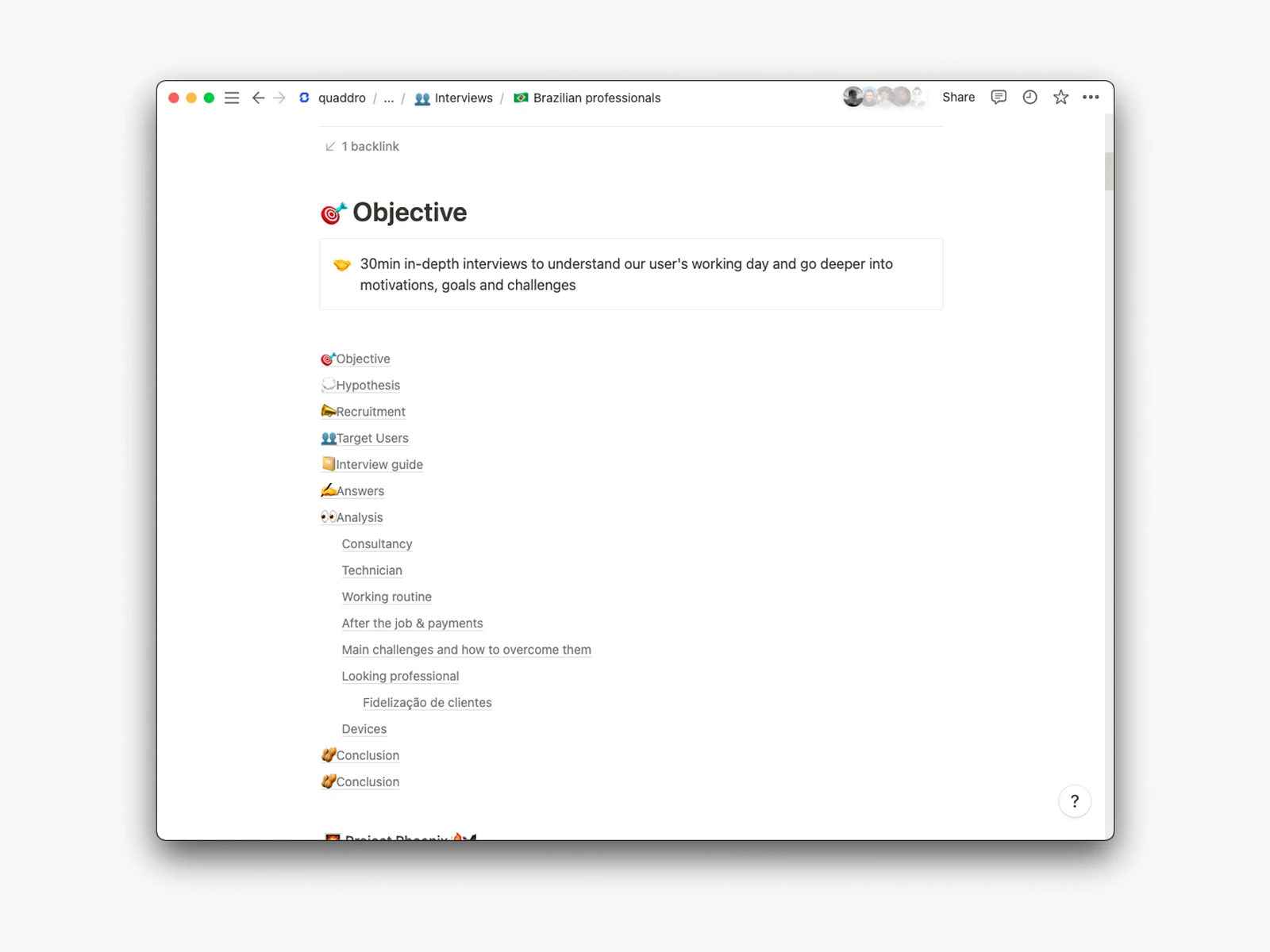
Rather than validate the existing product, we used interviews and observation sessions to learn how Brazilian entrepreneurs worked day to day.
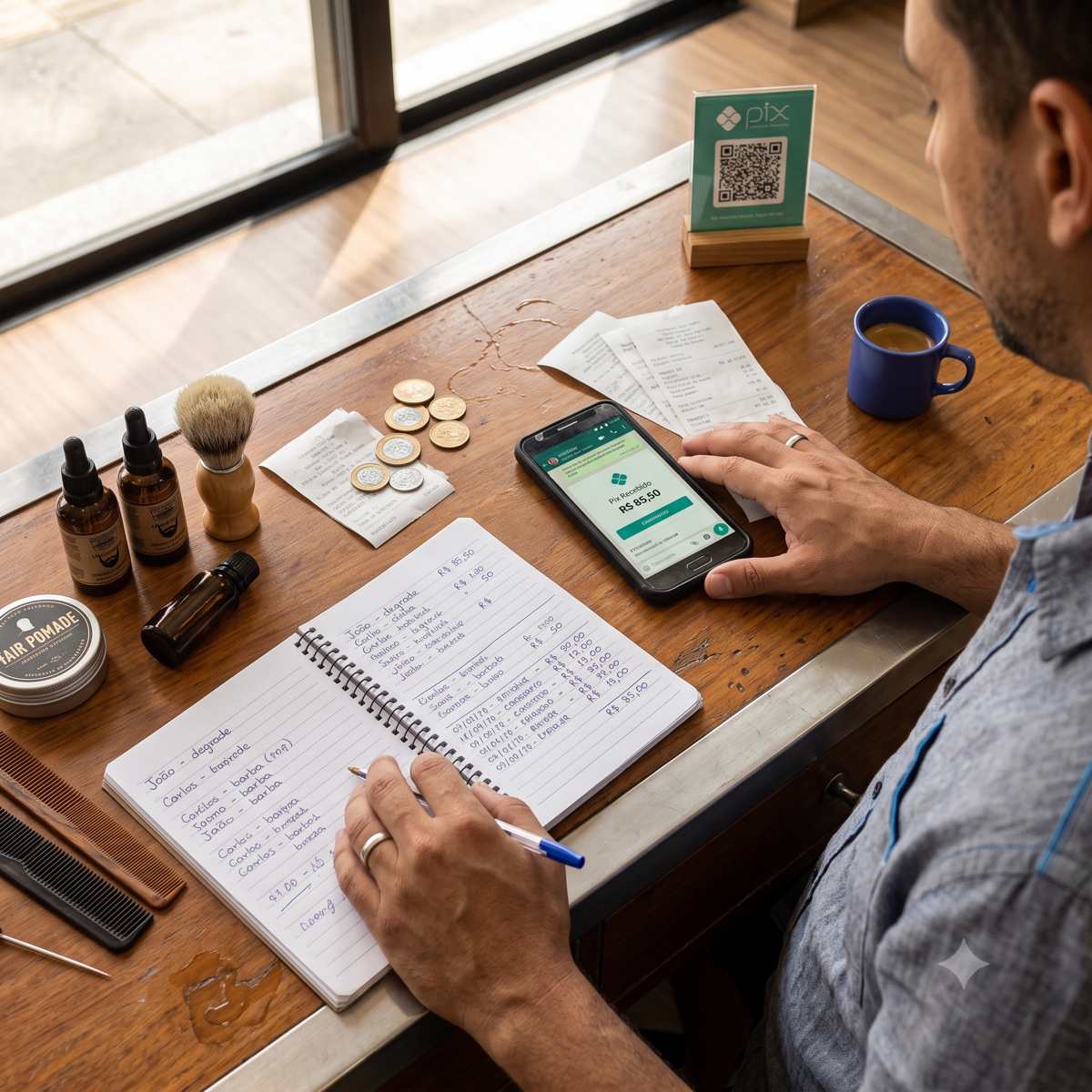
The entrepreneurs we met were not using CRMs, managing detailed spreadsheets or looking for advanced business software. They ran their businesses on tools they already trusted and connected the steps by hand.
In Brazil, far more of a solo entrepreneur's routine was still done by hand than in the U.S. Digitizing it would give back the hours spent on admin, so people could focus on the work their clients paid them for.
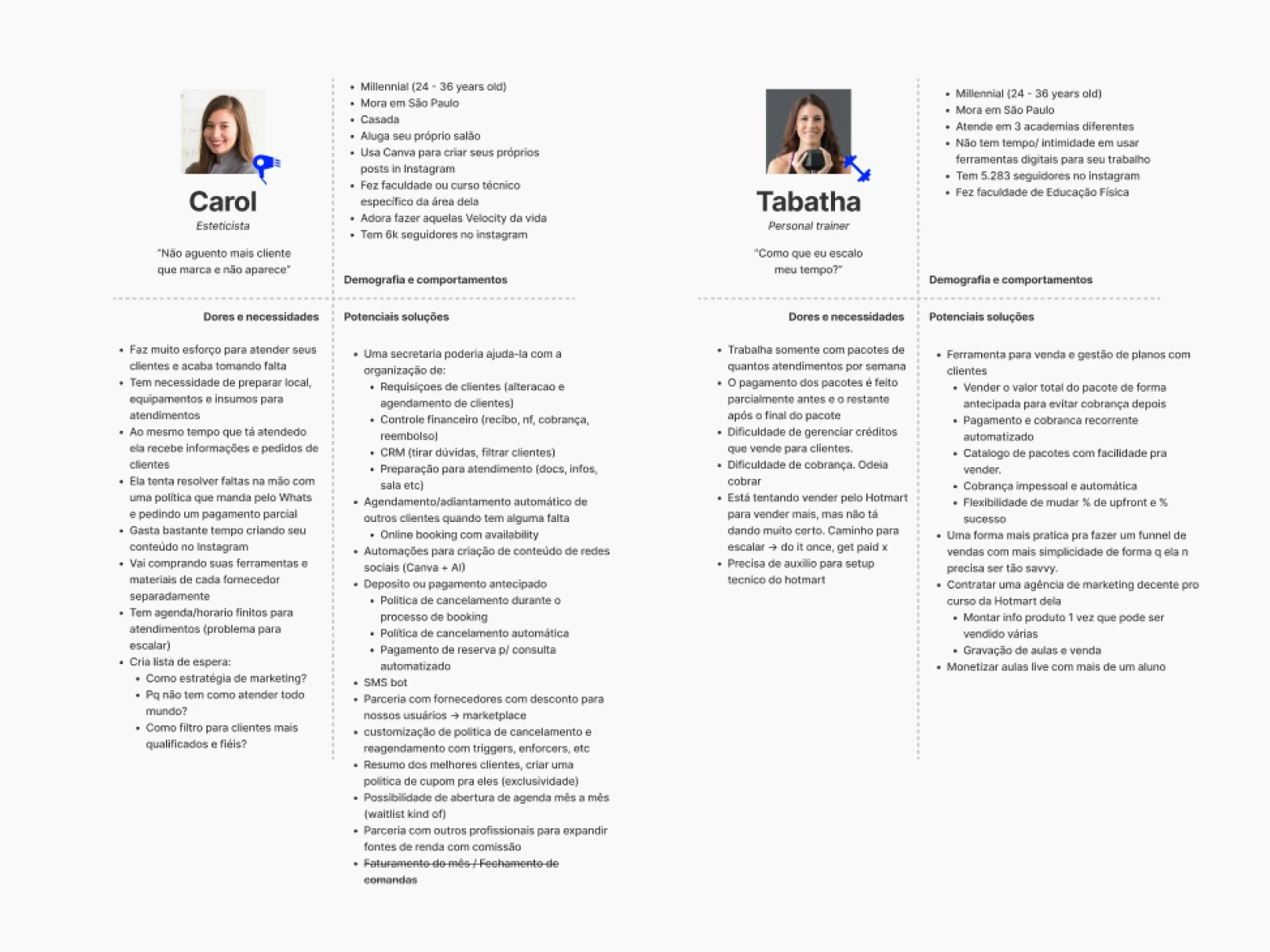
Customer conversations, orders and follow-ups happened in the same place as everyday communication.
Instant payments matched the speed and informality of small, mobile-first businesses.
Financial records stayed on paper, which was flexible and easy to keep up in an overloaded routine.
People wanted a product shaped around the way they already worked, not another set of features to learn.
The research changed the product strategy, and that strategy became the MVP scope.
| Previous assumption | What we learned | Product decision |
|---|---|---|
| Entrepreneurs want business software | They want simple workflows | Prioritise essential tasks over feature depth |
| More features create more value | Simplicity increases confidence | Remove unnecessary complexity |
| Desktop-first workflows are acceptable | Business happens on the phone | Design mobile-first |
| Users will adapt to the product | The product must adapt to users | Mirror familiar behaviours instead of creating new ones |
| Onboarding should explain everything | Users learn by doing | Focus on immediate value instead of education |
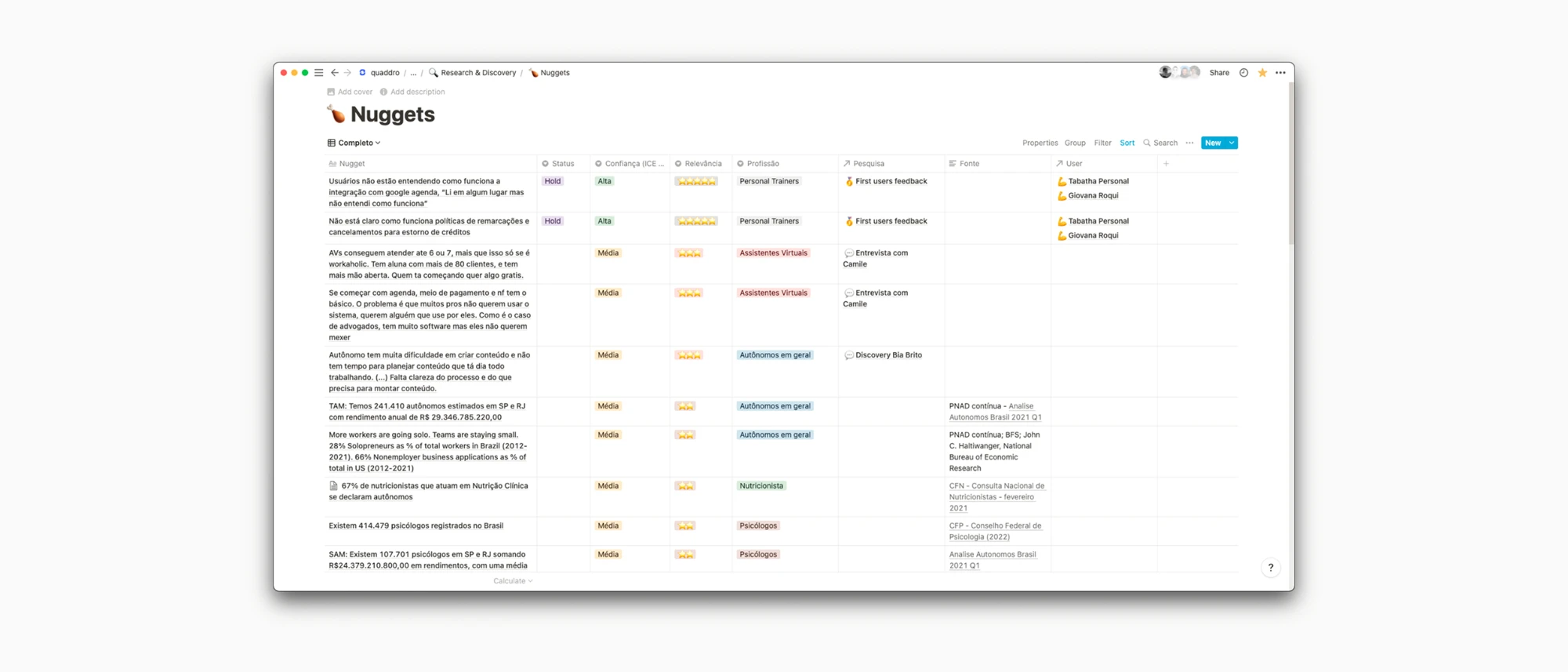
The MVP had to take work off people already overloaded by running a business. It covered fast invoicing, Pix-ready payments, simple customer management, clear language and enough restraint to stay quick on lower-end Android devices.
It followed three principles. Fast: immediate value before explanation. Familiar: existing behaviours before new mental models. Light: essential workflows before feature depth.
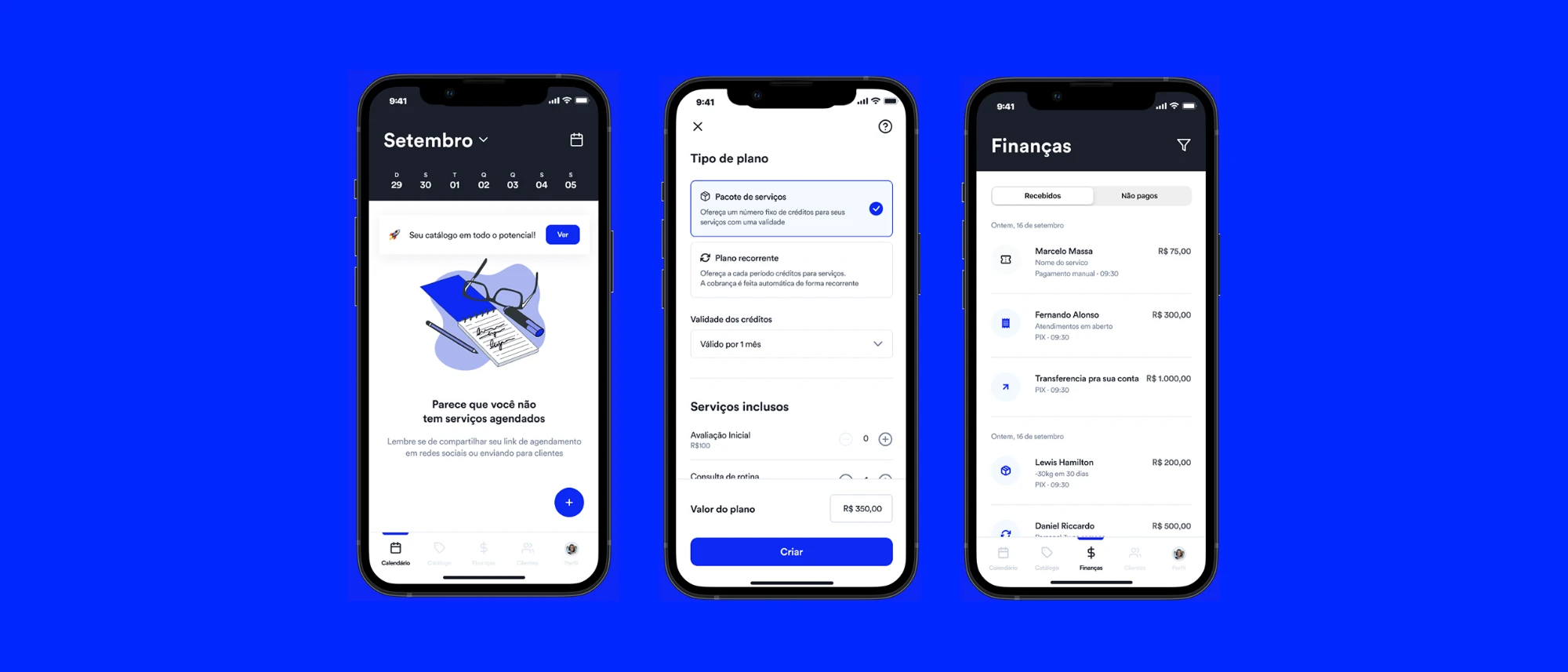
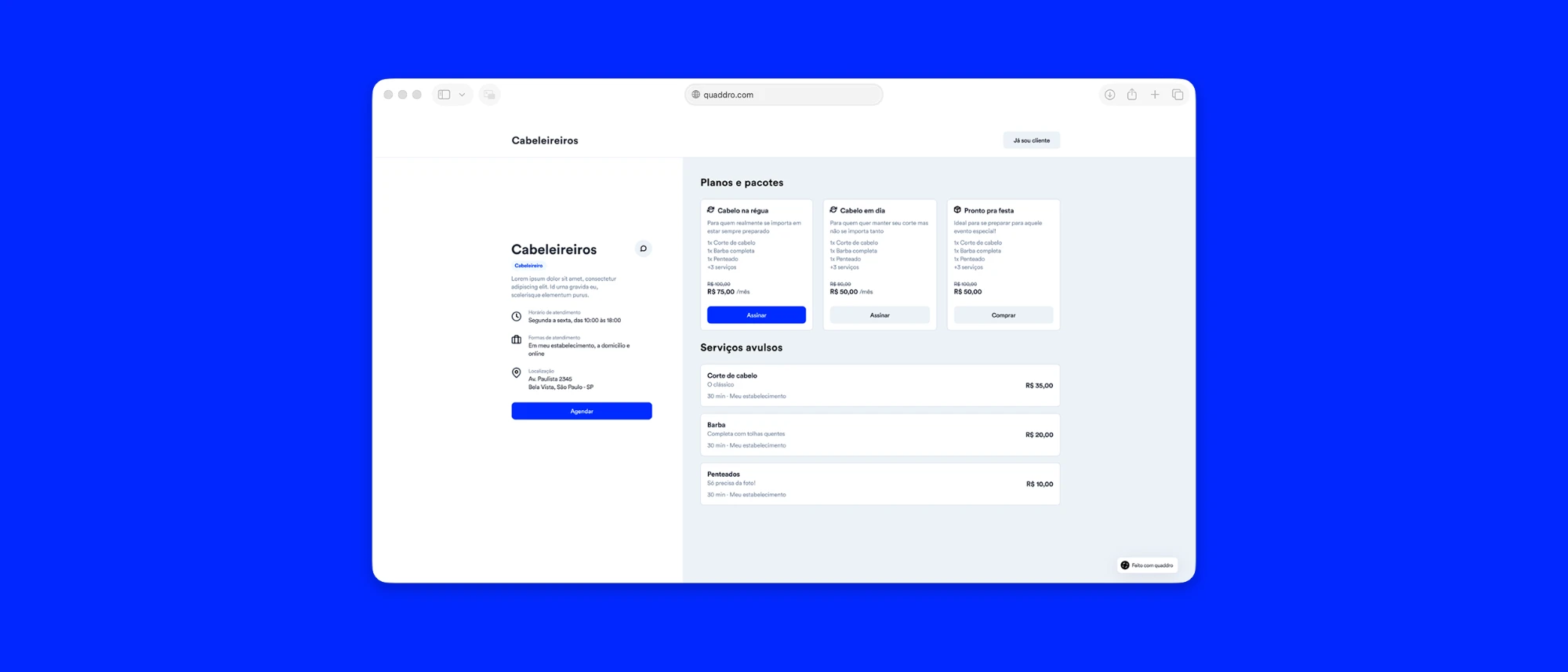
Bizbox did not cross the border. It was rebuilt around Brazilian entrepreneurs and relaunched under a new name, Quaddro. The research led the pivot, and the company kept building on that product through to a R$16M funding round.
“Why are people not using a free app?”
“What product should exist for this market?”
When a product enters a new market, the assumptions behind it carry more risk than its interface.
Since Quaddro I start with the assumptions, and that still holds at a marketplace serving millions of users.